Workshop
Sustainable development
ESG navigator deck: turning reports into action
Outcome
A card game and an awareness-raising workshop to help businesses understand how ESG standards will affect their activity and to involve employees in a process of reflection and transformation.
Challenge
All large companies will be affected by ESG regulations from 2027 onwards, which will require them to assess their environmental, social and governance impact in order to encourage them to act responsibly.
However, ESG reports are complex, and it is difficult for management to understand how to translate them into concrete actions, and for each employee to participate in the transformation of their company at their own level.
My contribution
I was responsible for creating and managing this workshop card game internal initiative.
I defined the game’s objective and structure, iterated on and tested different gameplays, designed its visual appearance and also developed the outlines of the marketing strategy to attract new potential customers.
Key decisions
1) I imagined a workshop card game to help companies understand the ESG regulation
As I was looking to create new business opportunities centred on sustainability and CSR, the ESG regulation seemed to me as the perfect way to combine my commitment to the environment with my agency’s business needs.
I came up with the idea of creating a workshop that would give companies an overview of ESG standards, their impact on business, and how to address these changes in a fun and collaborative way.
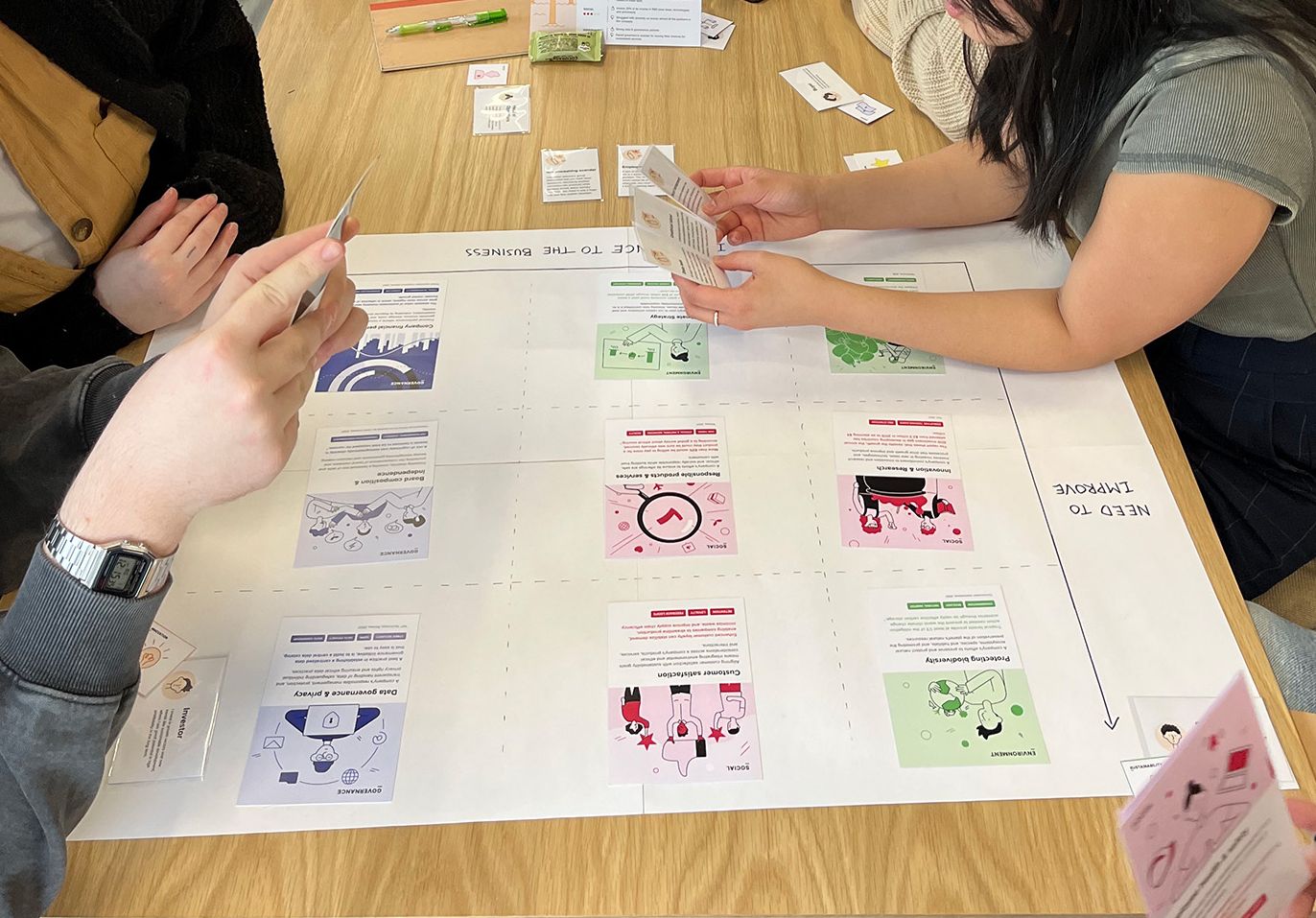
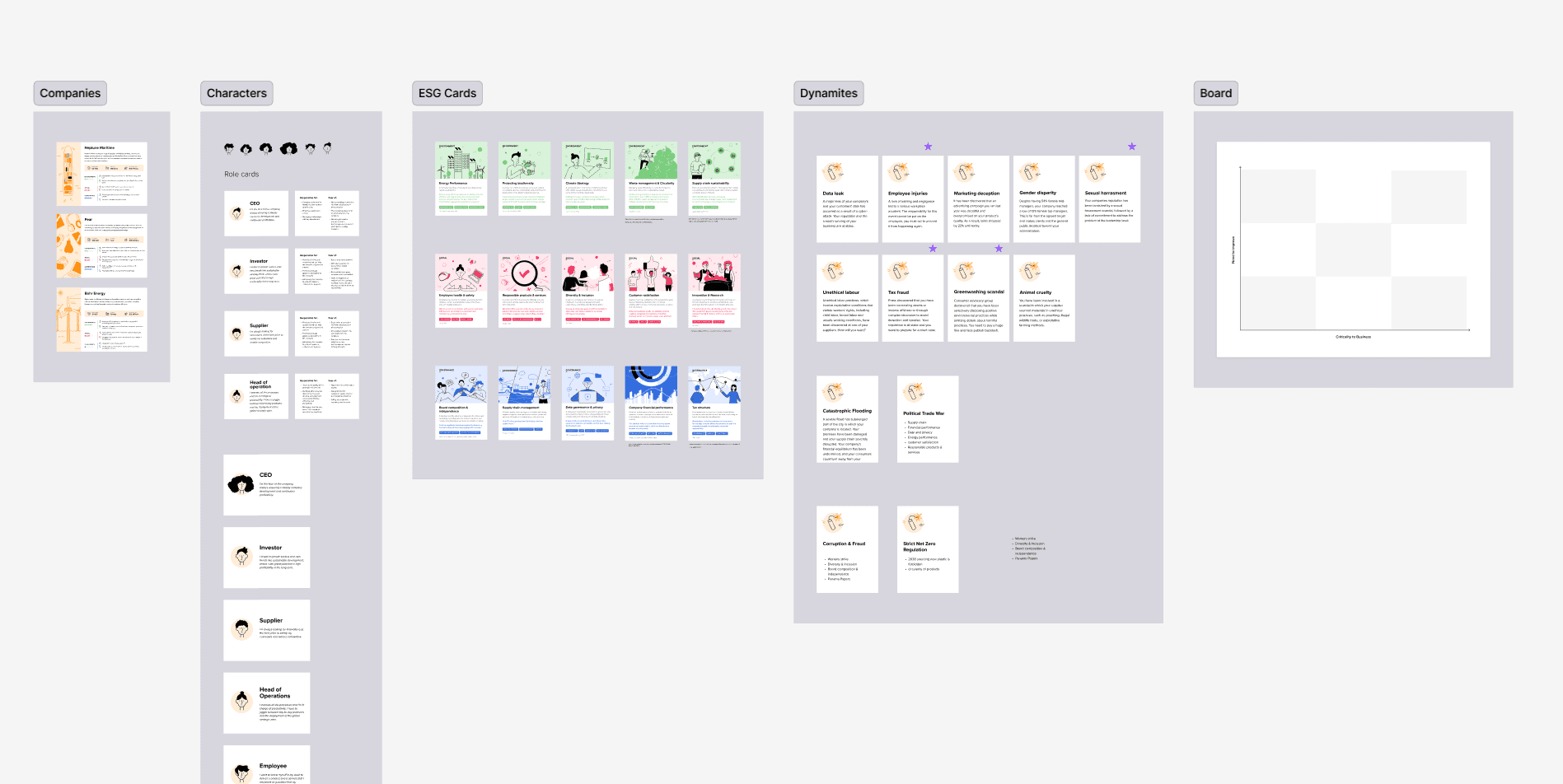
I spent six months designing a prototype card game, assisted by two other designers. After studying the main regulatory guidelines and defining the challenges, we then iterated on different gameplay mechanics, drawing inspiration from existing board games, before creating the content and visuals for the cards and beta-testing our prototype internally and with focus groups.
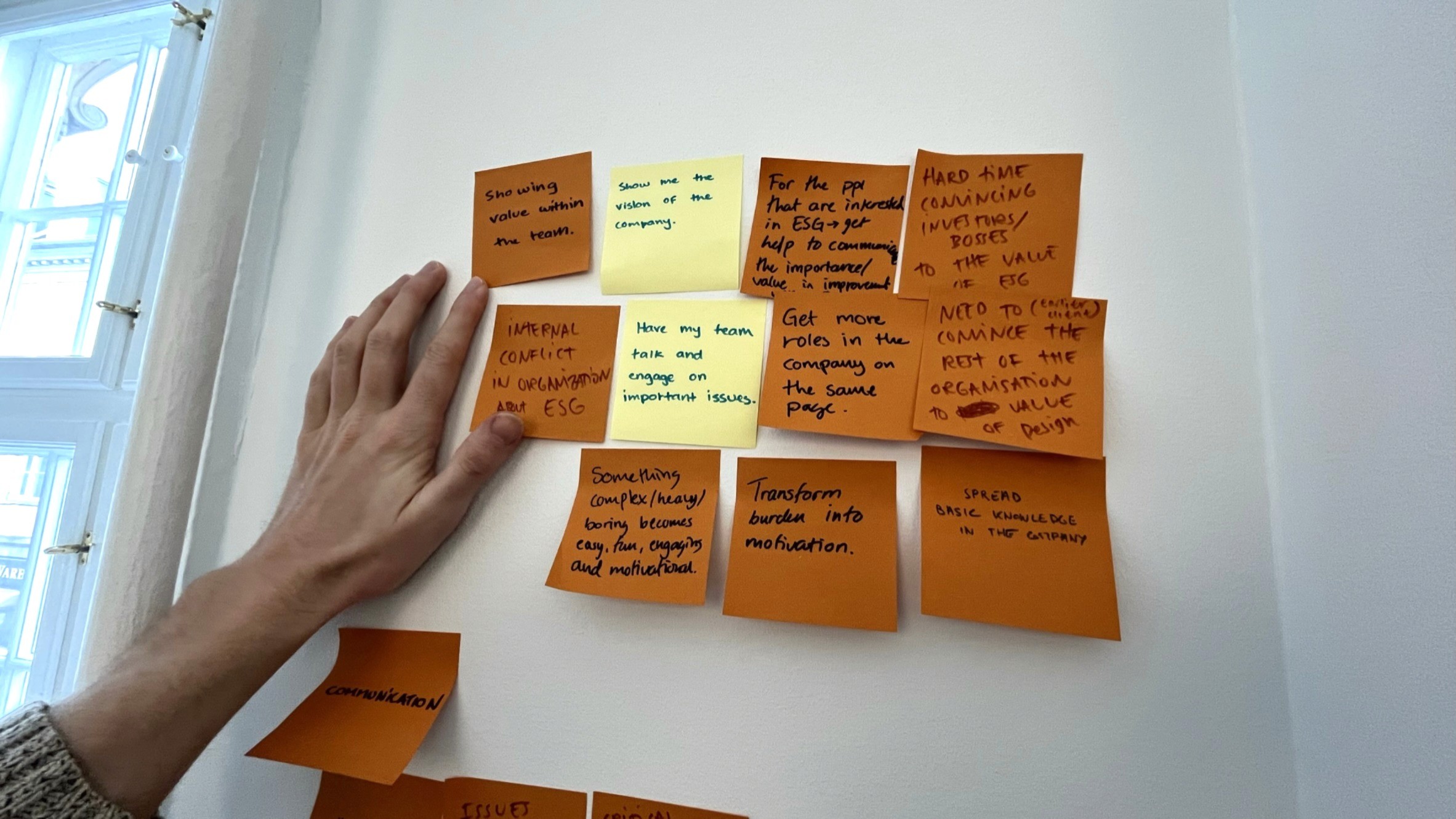
Defining the game's purpose
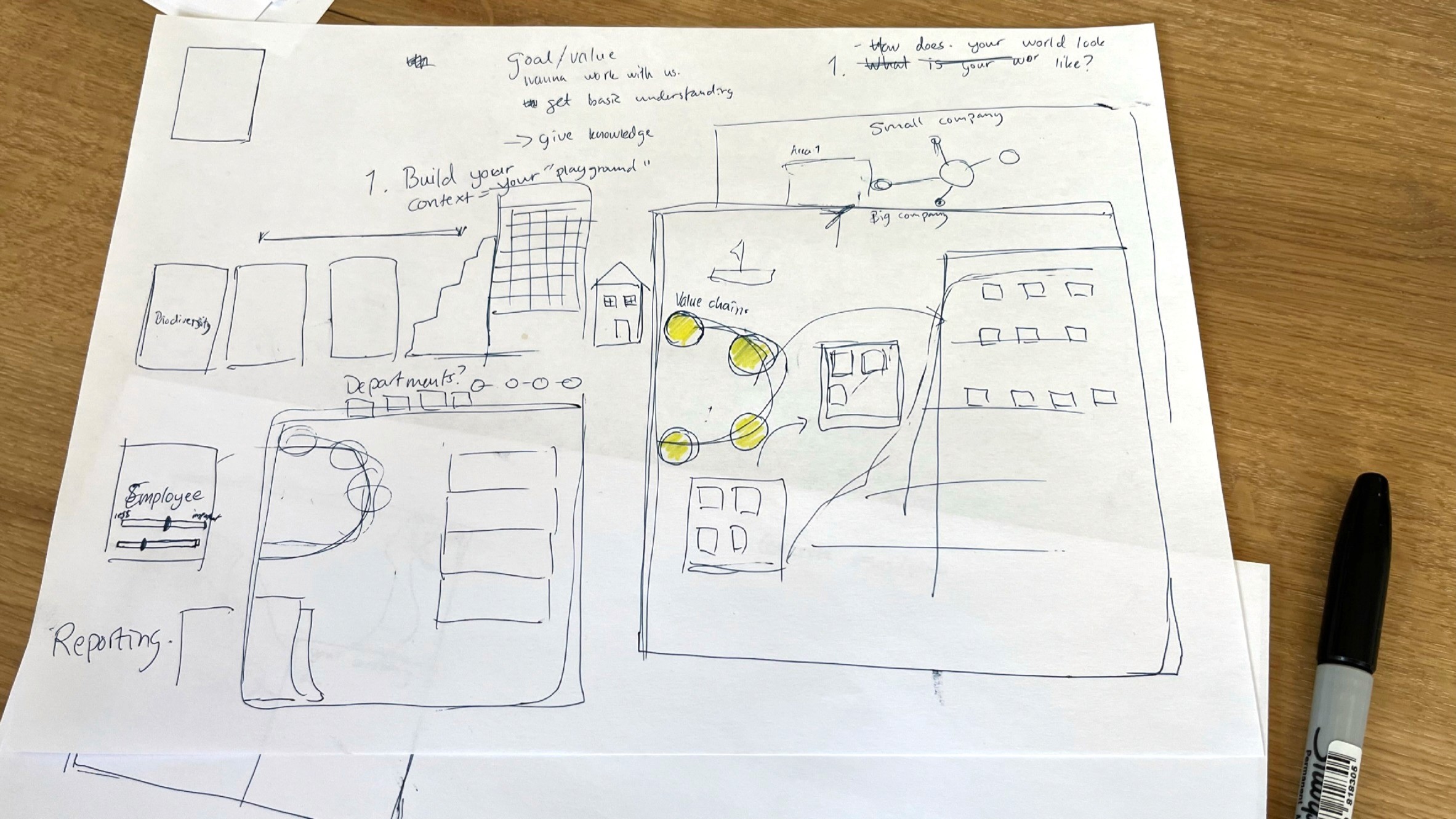
Crafting the gameplay
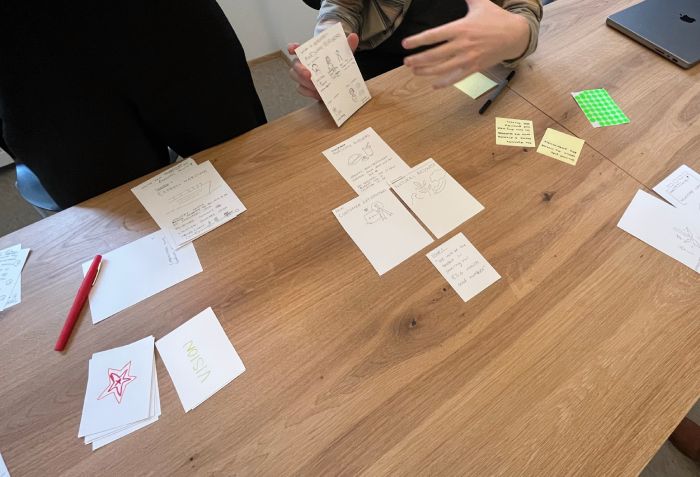
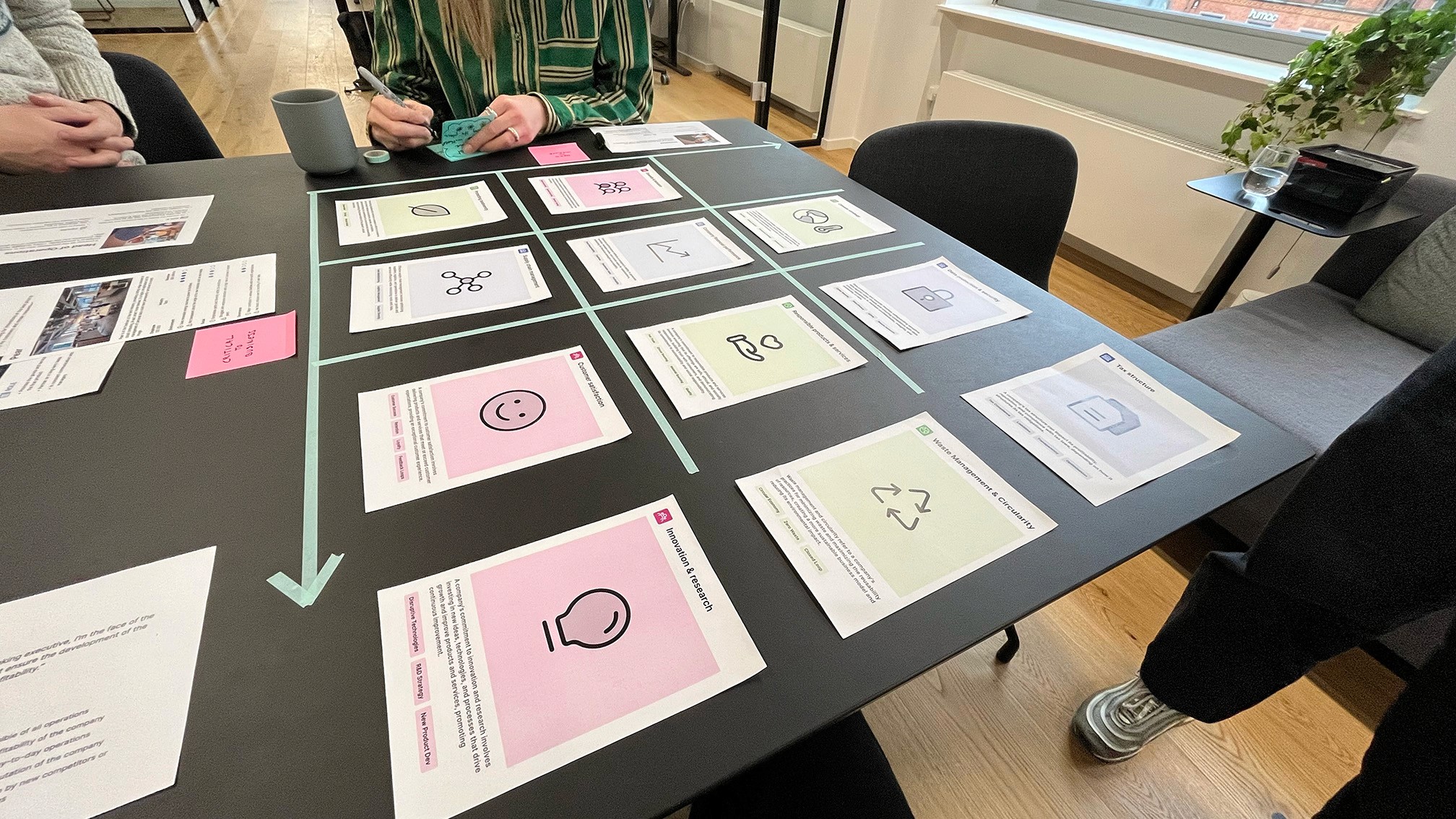
User testing
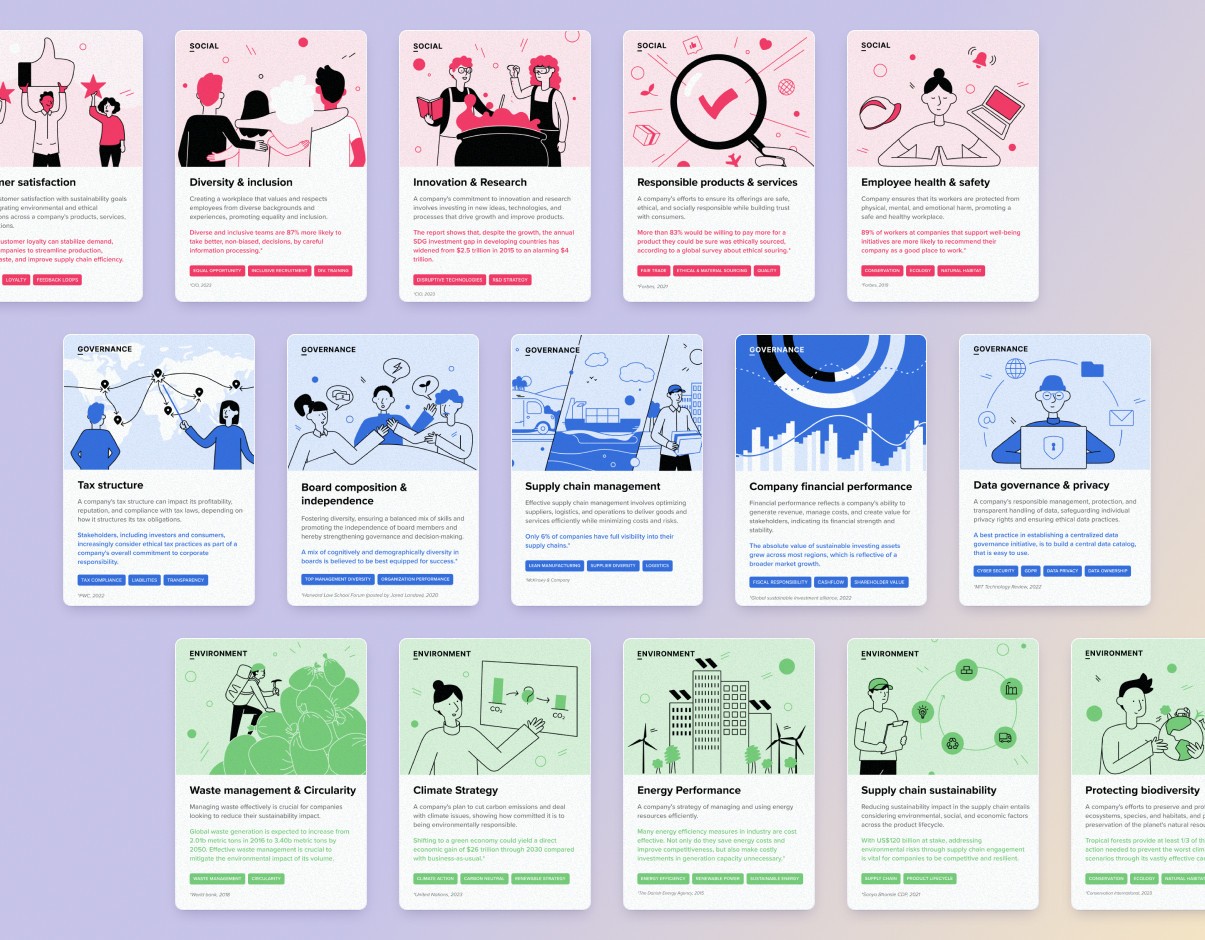
2) Helping businesses take action to create new project opportunities
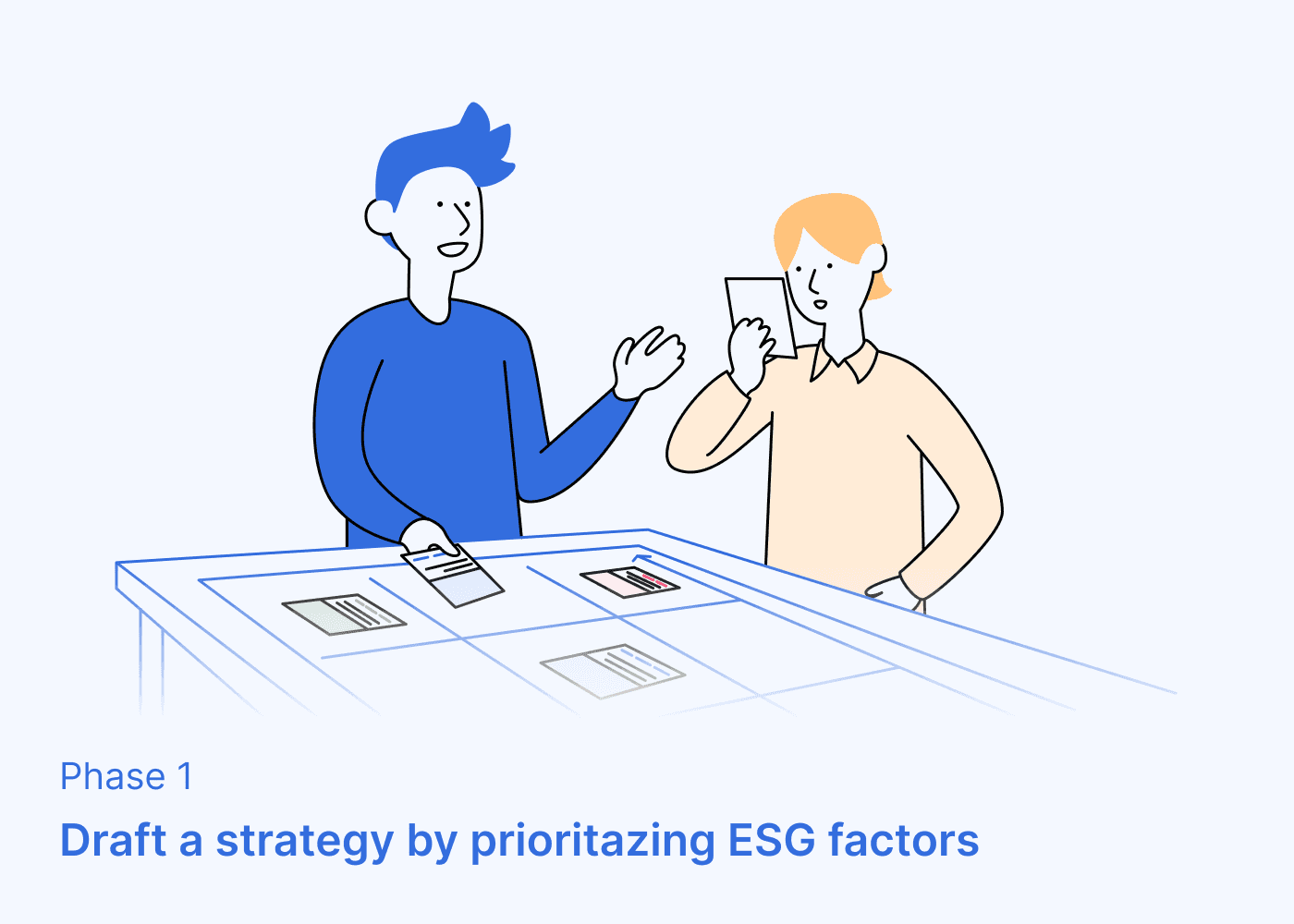
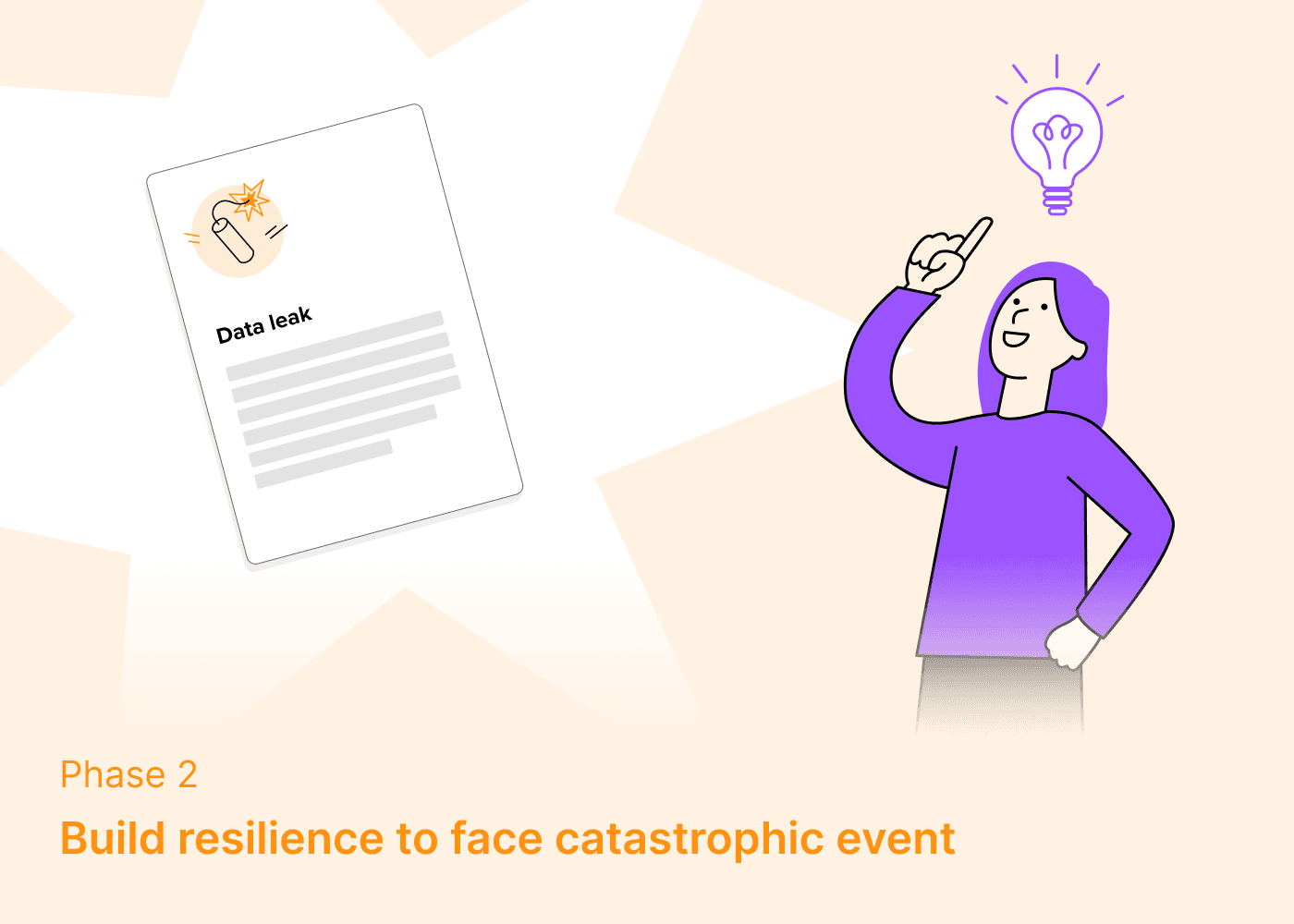
The game involves various participants from a company and takes place in two phases:
First, they assess the impact of the factors on their business and areas for improvement
Then, they establish a new long-term strategy following a simulated catastrophic event
This playful approach to a complex problem is the ideal gateway to introducing new players to design thinking and creating new project opportunities.
It has several advantages, such as encouraging dialogue between different members and functions of the company who do not always interact, highlighting the company's strengths and weaknesses, and outlining virtual action plans to make it more resilient.